Investment Guide
Understanding Wedding Floral Pricing
One of the most common questions we hear is:
"How much should I expect to spend on wedding flowers?"
The honest answer is: it depends.
Every wedding is unique, and floral pricing is influenced by much more than just the number of bouquets. Your floral quote reflects the flowers themselves, design time, labor, transportation, setup, installation, and the overall scope of your wedding.
You've probably heard people joke about the "wedding tax,” the idea that as soon as you say the word wedding, the price magically doubles.
The reality is a bit more nuanced. Wedding flowers involve much more than simply purchasing blooms. Behind every proposal are hours of planning, sourcing, processing, designing, transportation, setup, and coordination to ensure everything looks perfect on one of the most important days of your life.
This guide was created to bring transparency to the floral planning process. Our goal is to help you understand what influences pricing, what to expect in a wedding floral proposal, and how to make the most of your floral investment with confidence.
We hope this helps you visualize what goes into your wedding floral and what you can expect when working with Flowers by Grace B.
What Impacts Floral Pricing?
-
Not all flowers cost the same.
Premium blooms such as garden roses, peonies, orchids, ranunculus, and specialty imported flowers often cost significantly more than standard roses, carnations, mums, or greenery.
Certain flowers may require advance ordering, special handling, or limited sourcing, all of which can increase cost.
Our style at FBGB leans into premium floral-focused design.
-
Flowers are fresh product, and availability changes throughout the year.
When a flower is out of season, it may:
Be imported from another country
Be available in limited quantities
Cost substantially more than during its peak season
Flexibility with flower varieties often allows for the most value while still achieving a similar overall look.
-
Specific color palettes can affect pricing and availability.
For example:
True blue flowers are naturally uncommon.
Certain shades of blush, terracotta, or mauve may require specialty blooms.
Exact color matching can limit flower substitutions and increase sourcing costs.
-
One of the biggest differences couples notice in inspiration photos is floral density.
A centerpiece can be:
Light and airy
Moderate and balanced
Full and lush
Oversized and abundant
The fuller the design, the more stems are required.
Different floral styles require different quantities of flowers and labor. Garden-inspired, organic, and highly textured designs often require more flower varieties and stem counts than simpler designs.
-
As certain flowers, color palettes, and design styles gain popularity, demand can increase dramatically, particularly during peak wedding season.
High-demand flowers may become more expensive or harder to source, while trending design styles often require specific blooms, color palettes, or floral densities to achieve the desired look. We work closely with our couples to balance current trends with seasonal availability and budget considerations.
Other Factors
Guest Count &
Bridal Party Size
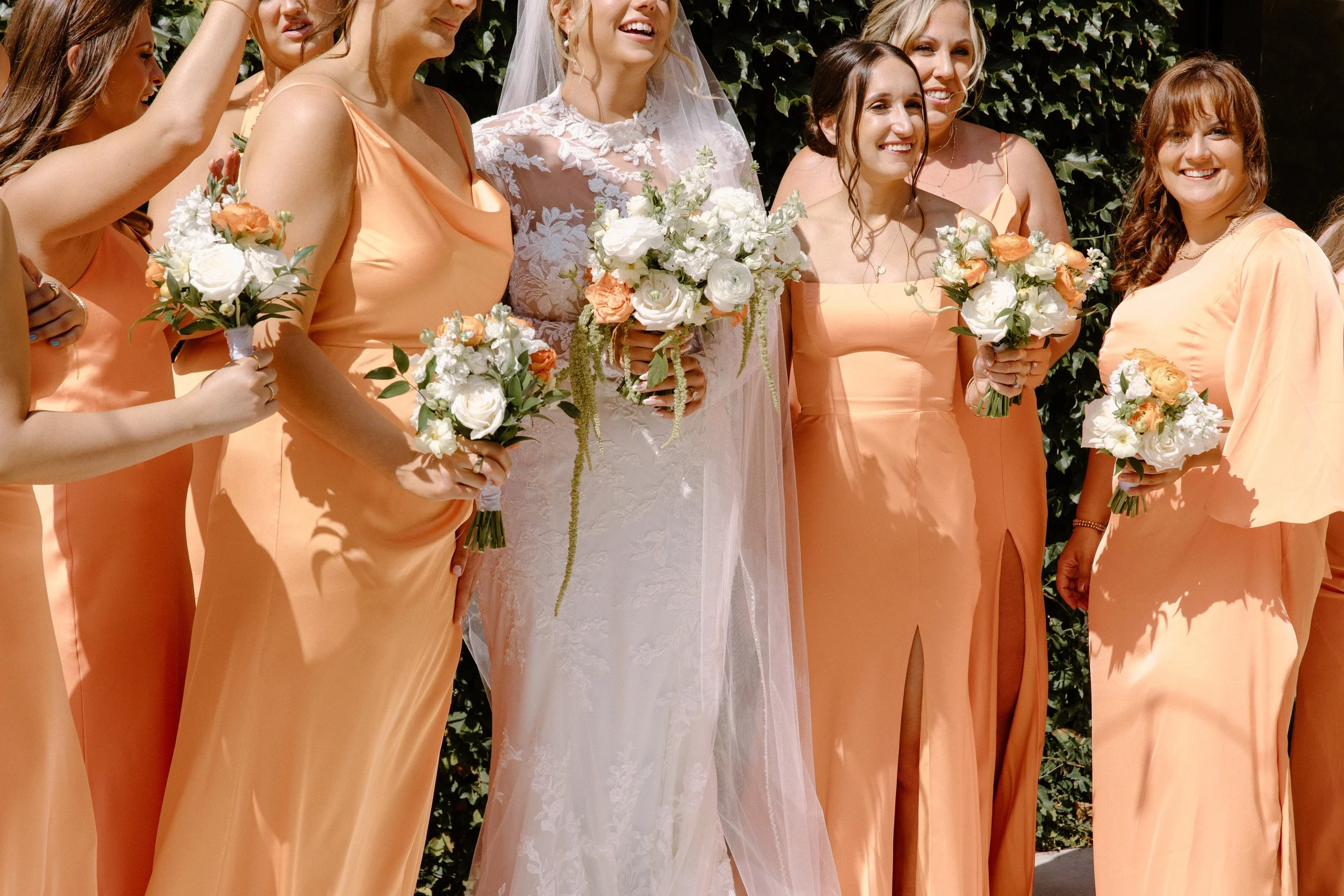
Guest count is one of the biggest drivers of overall floral investment. More guests typically mean more tables, more centerpieces, more candles, and a larger overall event footprint.
Similarly, each bridal party member often requires a bouquet, boutonniere, corsage, or other personal flowers. Larger wedding parties naturally increase floral quantities.
Ceremony & Reception Needs
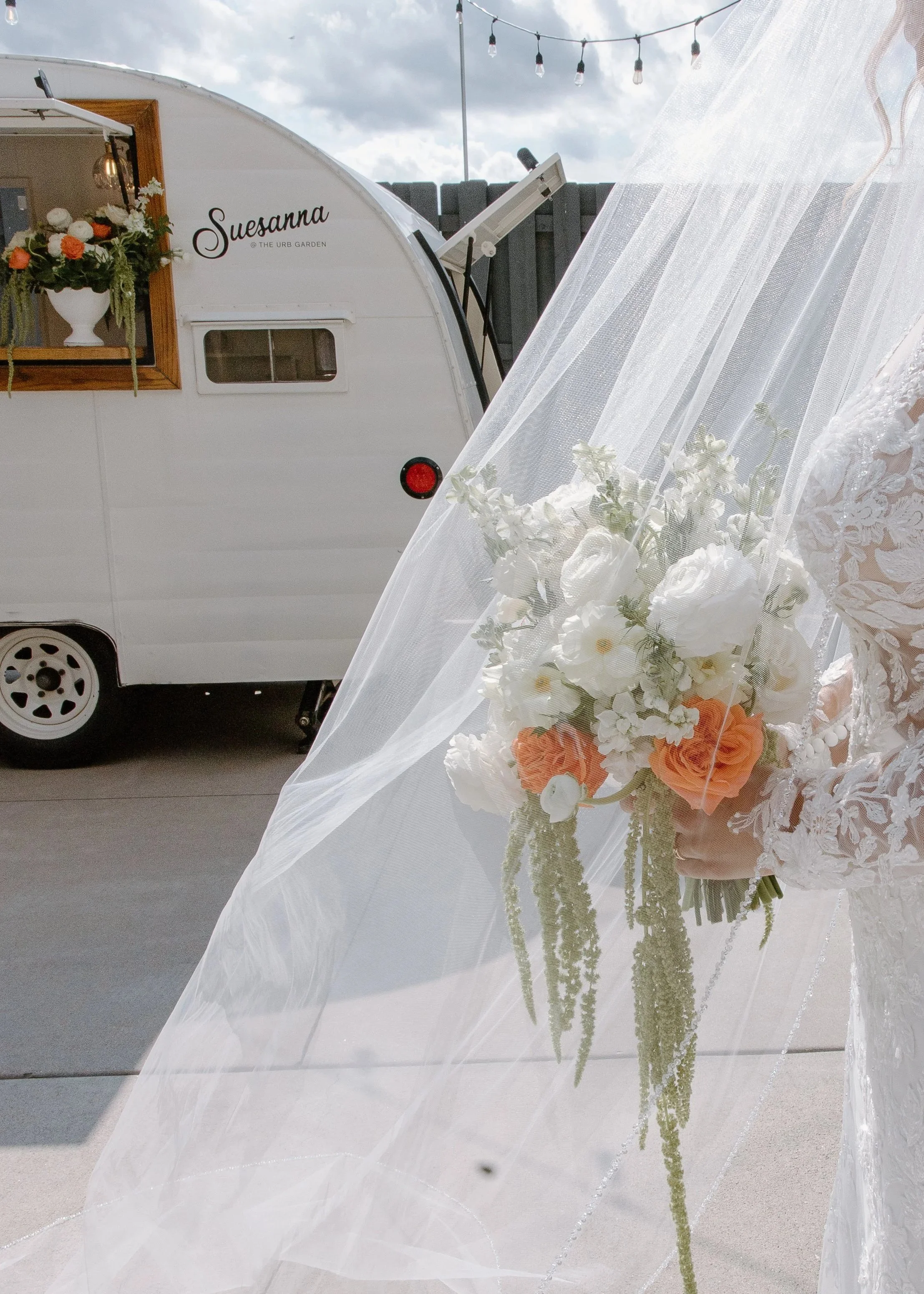
The number and type of floral pieces throughout your wedding day play a significant role in pricing. Personal flowers, ceremony decor, centerpieces, sweetheart tables, bars, and other focal areas all contribute to the overall investment.
Installations & Statement Pieces
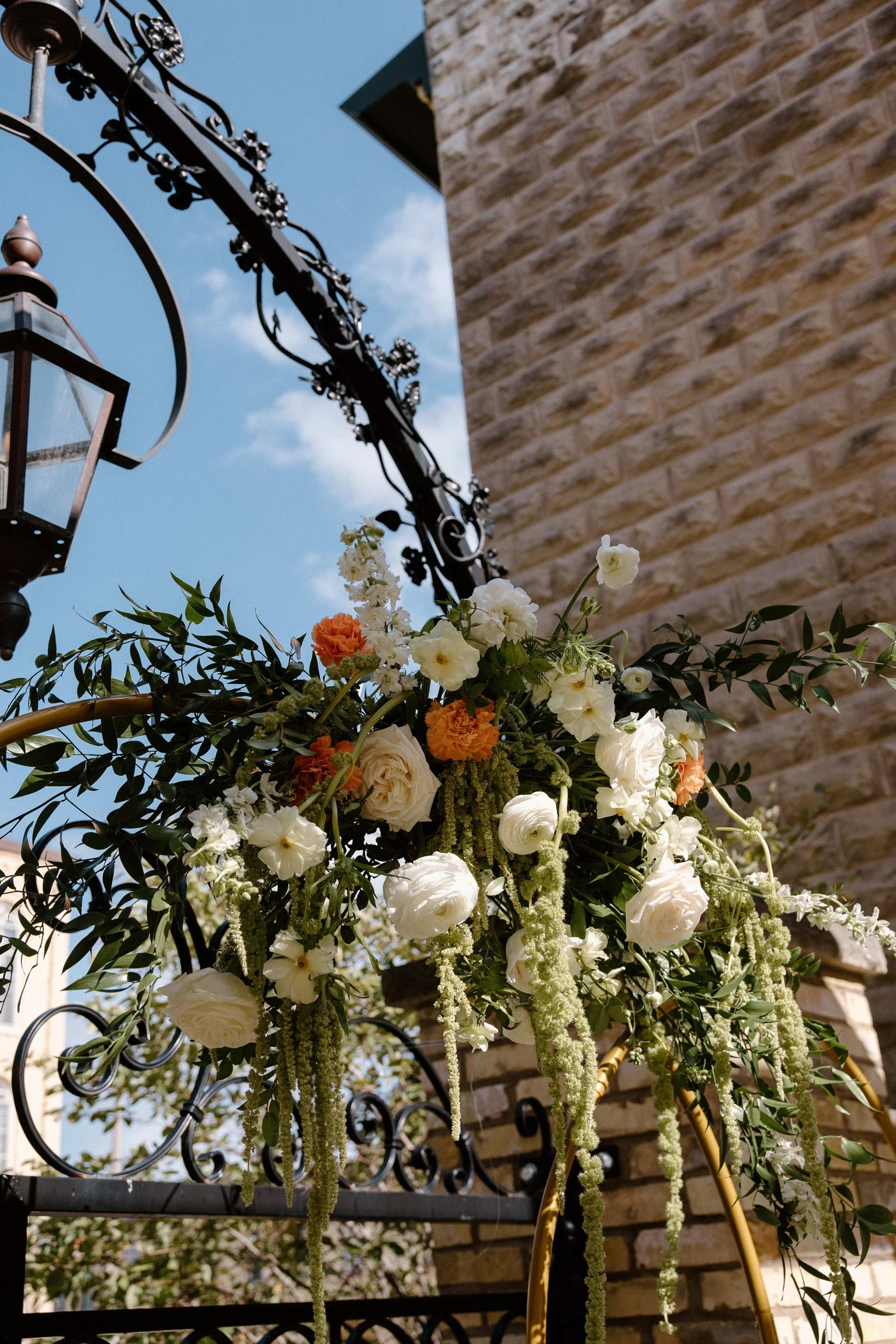
Large-scale floral designs such as arches, hanging installations, floral meadows, and flower walls require additional flowers, mechanics, labor, and setup time.
Venue & Logistics
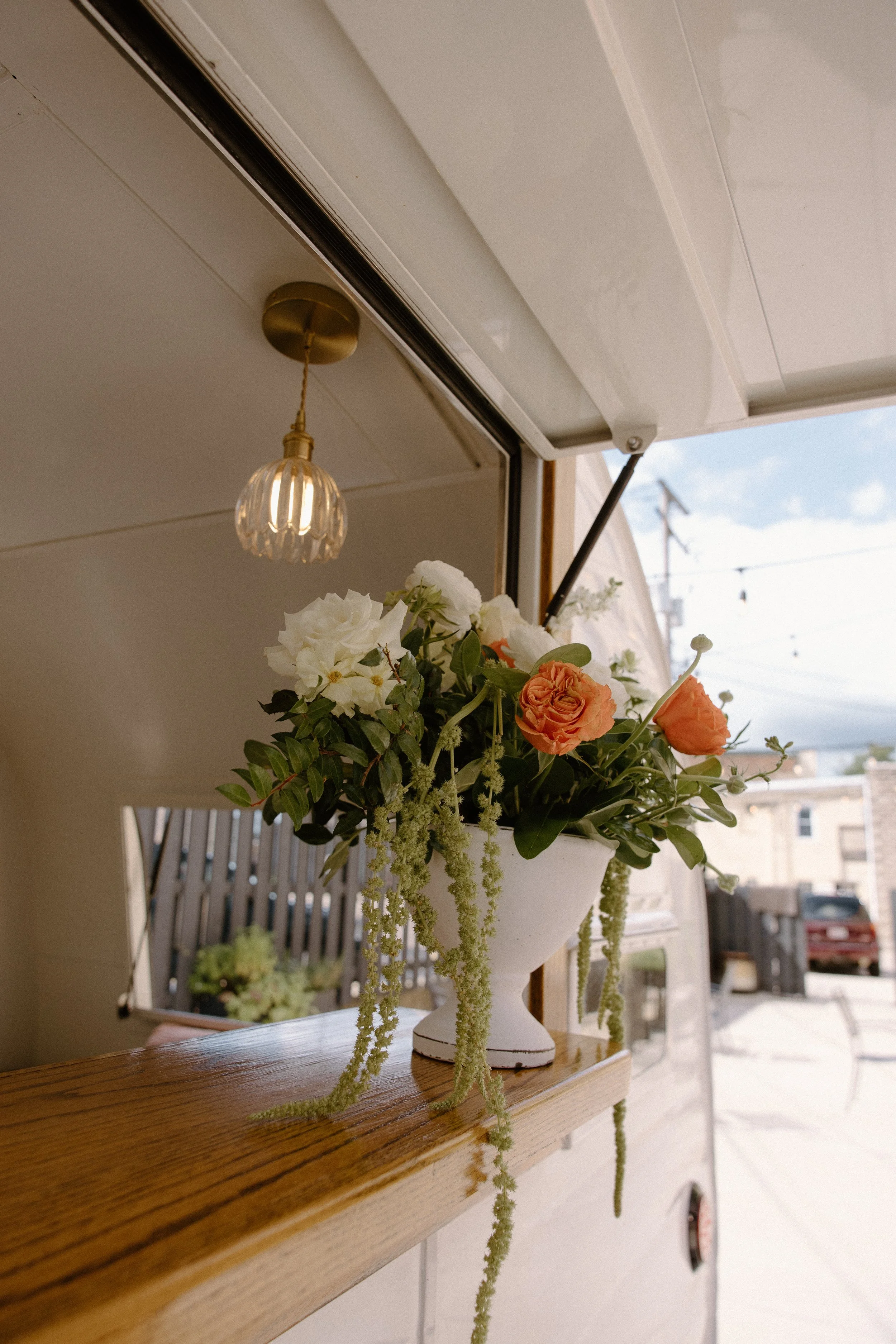
Every venue presents unique logistical considerations. Travel distance, load-in access, setup windows, room size, and installation requirements can all impact the time and resources needed to execute your wedding.
Rentals & Styling
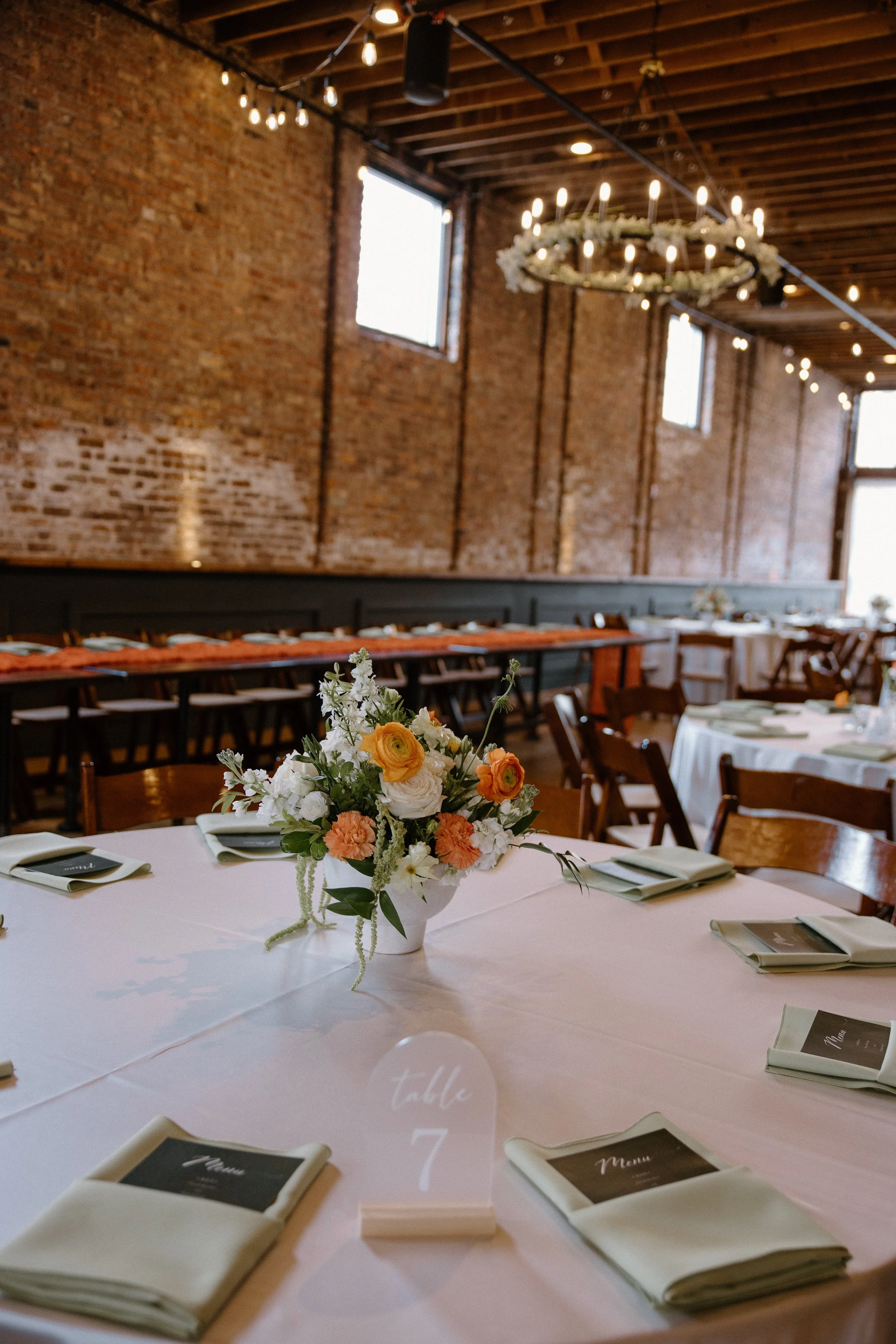
Many designs incorporate rental items such as compotes, vases, candle holders, pedestals, arches, and other decorative elements. The quantity and style of rentals selected can influence the overall proposal.
Labor & Service
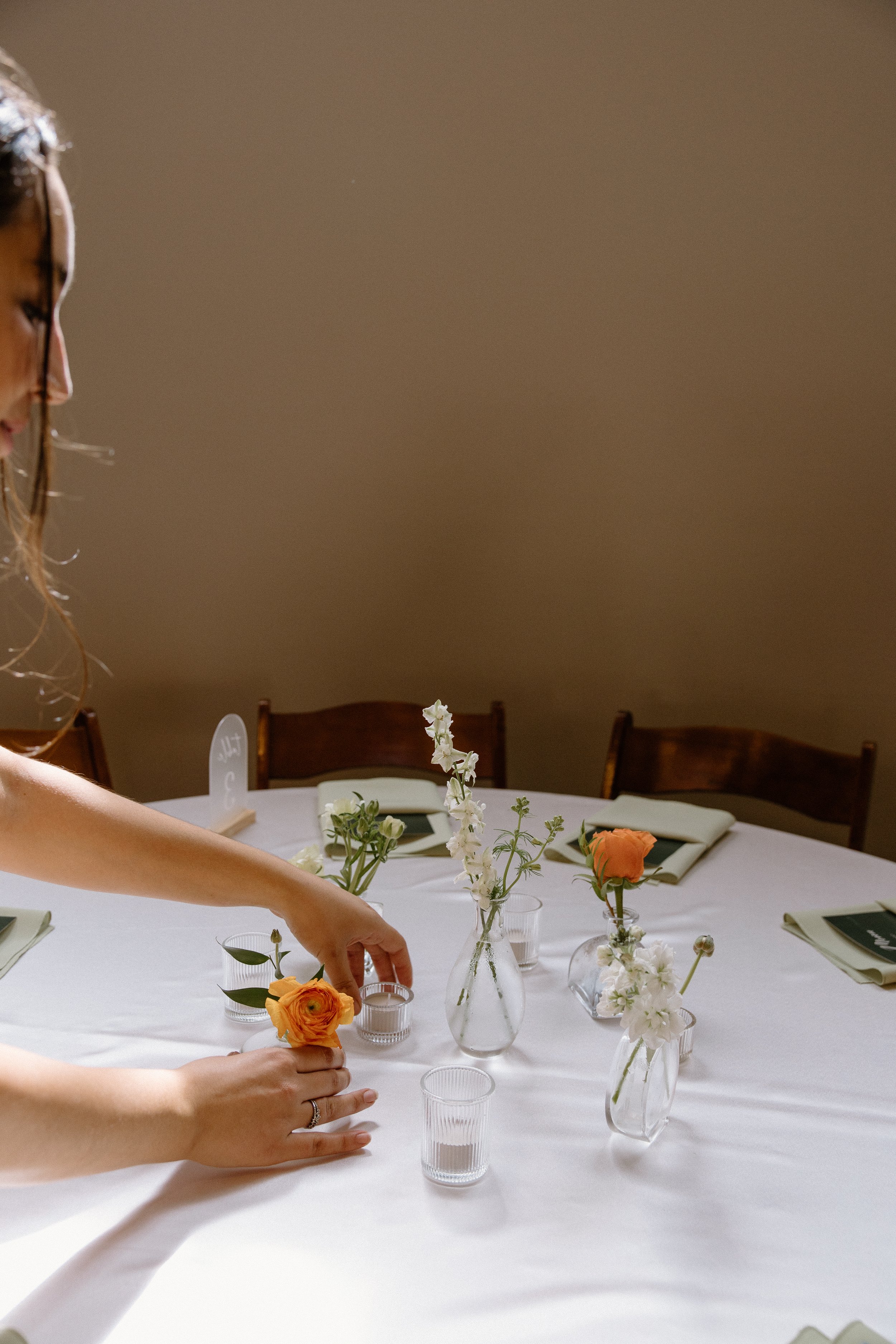
Wedding florals involve much more than the flowers themselves. Proposal development, design, flower processing, transportation, setup, styling, coordination, and clean-up are all part of creating a seamless wedding day experience.
In short, the flowers determine the cost of the product, while the wedding determines the scale of the service required to bring your vision to life.